In today’s digital landscape, recommendation systems aren’t just a feature—they’re the heart of a user’s journey. For mobile gaming platforms like GameZone, ensuring users find their next favorite game without feeling pressured or overwhelmed is vital. But how exactly do recommendation engines strike this delicate balance? What makes GameZone’s approach stand out, particularly for its Filipino user base?
In this deep dive, we’ll explore how GameZone’s recommendation system works beyond a simple game list. We’ll discuss ecosystem thinking, smart content discovery, the importance of local familiarity combined with clear game rules, and the power of structured listings enriched with metadata. Plus, we’ll unpack critical features like recently viewed categories and saved favorites that enhance your interaction without turning pushy.
Understanding GameZone’s Ecosystem Thinking
At its core, GameZone’s recommendation system operates within a holistic ecosystem rather than operating as just a random set of game suggestions. But what does ecosystem thinking mean here?
Ecosystem thinking recognizes that gaming is not just about individual titles but about how they relate to each other, user preferences, community trends, and user behavior data. This multi-dimensional approach creates a seamless discovery environment rather than an isolated list of games.
- User Behavior Integration: Tracking your recently viewed categories, saved favorites, and play history to generate personalized recommendations. Content Network: Suggesting games within similar genres, themes, or based on social/peer popularity to create a natural flow of discovery. Localized Content: Prioritizing games that resonate with Filipino cultural contexts, language, and local gaming trends.
By situating recommendations within these ecosystems, GameZone delivers options in a context that feels organic, relevant, and welcoming rather than intrusive.
Smart Content Discovery and Categorization
One common gripe with game platforms is the overwhelming “everything at once” approach or vague category naming that leaves users lost. GameZone avoids this by employing precise, clear, and user-friendly content discovery and categorization strategies.
Robust Category Structure
Instead of using interchangeable terms like “Profile” versus “Member Center” (which only confuse users), GameZone sticks to consistent, well-defined menu labels and categories. Examples include:
- Action & Adventure Puzzle & Brain Games Multiplayer & Social Filipino Favorites New Releases
By anchoring recommendations within these explicit categories, users find it easier to navigate and trust the suggestions because they can anticipate the kind of game ahead.
Recently Viewed Categories
This feature allows users to revisit areas they showed interest in without feeling like the system is following them obsessively. For instance, if you’ve been browsing Filipino board games or puzzle challenges, the system keeps these categories visible for easy access and refreshes recommendations based on your evolving interests.
Smart Filters and Sorting
Users want control, so filters by popularity, release date, multiplayer support, and user ratings empower gamers to personalize discovery. When these tools are paired with metadata tagging (such as game difficulty, play duration, language availability), the experience is seamless and non-pushy—offering suggestions without forcing clicks.
Local Filipino Game Familiarity & Clear Rules
For recommendation systems to truly work on platforms serving diverse markets like the Philippines, cultural resonance is critical. GameZone shines by incorporating:
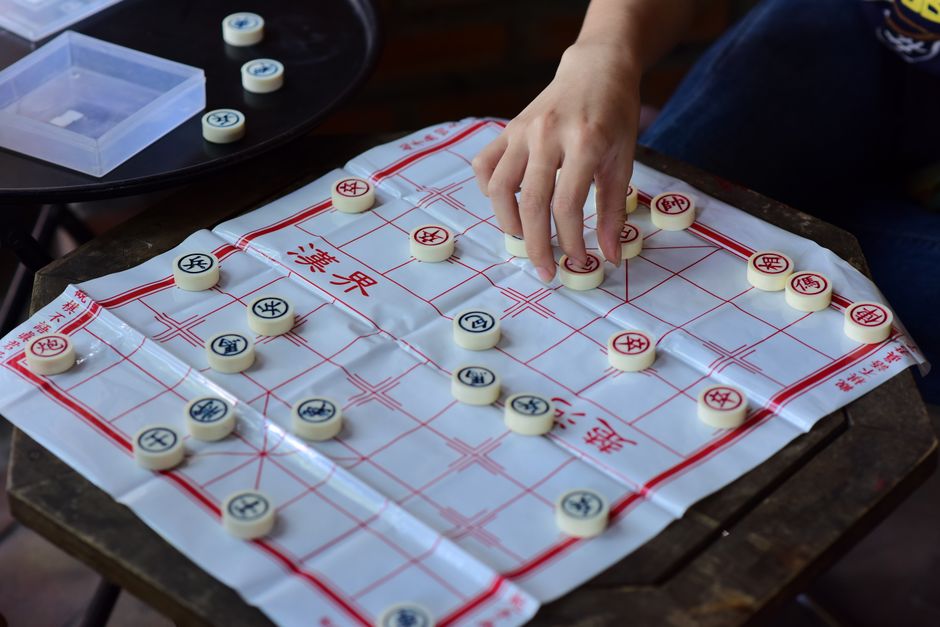
- Local Game Titles: Including popular Filipino-developed games or games with local themes that feel familiar and engaging. Language Localization: Clear instructions and game rules in Filipino languages (Tagalog, Cebuano, etc.) to bridge comprehension gaps. Transparent Game Mechanics: Displaying clear and explicit rules on every game’s page prevents confusion and frustration, especially avoiding “image-only” representations that lack detailed gameplay explanations.
This clarity ensures users feel confident about what they are getting into, reducing the frustration often caused by “vague error messages” or ambiguous instructions.
Why Clear Rules Matter in Reducing Pushiness
When users understand a game’s mechanics upfront, the recommendation feels like an informed suggestion—not a pushy sales pitch. It also encourages voluntary exploration since players can make educated choices rather than impulsive ones driven by aggressive marketing tactics.

Structured Listings and Metadata: The Backbone of Smart Recommendations
Behind every effective recommendation system lies structured listings and metadata. GameZone’s approach uses detailed tagging and structured data to inform and refine recommendations continually.
With this information systematically applied, recommendations become finely tuned. For example, a player who prefers quick puzzle games with Tagalog language support and moderate difficulty may get very specific tailored results without infinite scrolling or random picks.
Saved Favorites: Empowering User Choice
A significant feature against pushy recommendation vibes is the ability to save favorites. GameZone enables users to bookmark titles they want to return to later. This creates a personalized repository that guides game categories app the algorithm toward better suggestions based on explicit user preferences rather than inferred behavior alone.
Users retain control of their discovery journey, which helps reduce frustration and prevents recommendations from feeling like invasive upsell attempts.
Putting It All Together: How GameZone’s Recommendations Feel Natural
When these elements converge, GameZone’s recommendation system feels less like a pushy salesperson and more like a trusted buddy whispering game suggestions tailored just for you. Here’s a summary of why that balance works:
Ecosystem Thinking: Prioritizing relationships between games, user interest, and community trends—not just raw data. Clear and Consistent Categorization: Ensuring users can navigate and anticipate recommendations with minimum confusion. Local Relevance and Transparency: Using familiar games, localized languages, and clear rules reduces user anxiety and guesswork. Structured Metadata: Powering smart filters and personalized recommendations with rich, standardized data. User Empowerment: Features like recently viewed categories and saved favorites put users in the driver’s seat.By addressing these core areas, GameZone successfully navigates the fine line between helpful and pushy recommendation systems.
Conclusion: Recommendations That Respect Your Game Choices
Recommendation systems have immense potential to enhance mobile gaming experiences—if implemented thoughtfully. With its ecosystem-driven approach, precise categorization, local Filipino game integration, transparent gameplay rules, and structured metadata backbone, GameZone elevates recommendations to feel meaningful and pressure-free.
Next time you explore GameZone, notice how your recently viewed categories and saved favorites gently guide your journey—making content discovery an inviting adventure GameZone Philippines app rather than a hard sell. That’s recommendation design done right.