In recent years, the landscape of online casino payments in the UK has evolved significantly. Among the many deposit methods that once gained traction, pay by phone bill casino UK deposits stood out for their apparent convenience and simplicity. But is this option still viable today? And if so, what does it mean for players aiming for a smooth mobile experience? This post dives into the history, mechanics, and current status of mobile billing casino deposits in the UK, touching on regulatory insights from the UK Gambling Commission and payments perspectives shaped by UK Finance.
Early Mobile Deposit Friction: UX Challenges in Casino UX
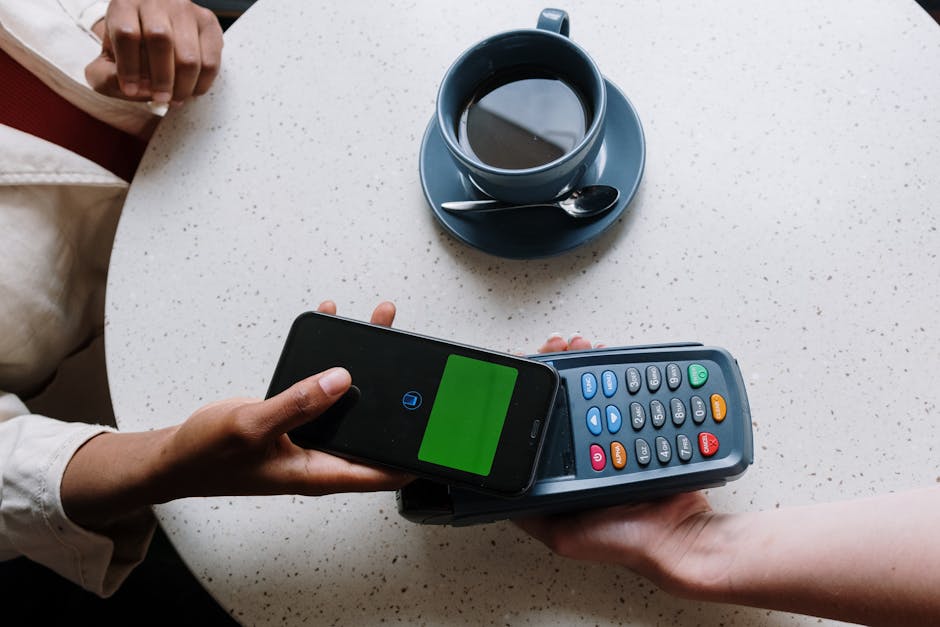
Cast your mind back to the early 2010s, when mobile casino gaming truly began its rise. Players wanted to make quick deposits on their phones without fumbling with card numbers or bank details. Enter pay by phone bill—a seemingly elegant solution where deposits could be charged directly to a user’s mobile phone bill planetfitnessprices.com or deducted from their prepaid balance.
However, from a usability standpoint, the initial implementations often stumbled:
- Multiple Verification Steps: Players frequently encountered cumbersome verification flows that included entering mobile numbers, confirming via SMS codes, or even voice prompts. This added friction, especially on smaller screens. Unclear Transaction Times: The process was sometimes inaccurately marketed as “instant.” While deposits appeared quickly, full validation could take several minutes, confusing users. Operator-Specific Limitations: Because the billing went through mobile network operators, availability depended on a player’s carrier and phone type, fragmenting the user base. Withdrawal Issues: Crucially, while depositing was easy, withdrawing any winnings using the same method was impossible—an often overlooked UX pain point during early rollouts.
One well-documented example from a few years ago involved MrQCasino.co.uk, a UK-facing site that offered pay by phone bill deposits but relied on alternative withdrawal methods, often confusing casual players.
Why Pay-by-Phone-Bill Deposits Felt Convenient
Despite their quirks, pay-by-phone bill payments addressed genuine user needs:
- Low Effort Entry: No bank or card data needed. Users simply typed in their phone number and confirmed the charge via an operator-managed interface. Trust and Familiarity: Mobile network operators (MNOs) had an established billing relationship with customers, adding a layer of perceived security. Perfect for Spontaneous Play: Instant top-ups allowed for quick spins during commutes, breaks, or moments when carrying cards was inconvenient. Limited Exposure Due to Caps: UK phone bill caps kept spending low, making these deposits ideal for casual, low-stakes gaming rather than high rollers.
Moreover, mobile billing neatly sidestepped common online payment-related anxieties such as card fraud and complex three-dimensional secure (3DS) authentication flows, especially on mobile devices where typing errors were common.
UK Phone Bill Caps Keep Mobile Billing at Low Stakes
One important regulatory and practical constraint shaping the mobile billing deposit method is the UK’s telecom billing restrictions. Managed under guidelines from UK Finance and enforced through operator policies, these limits are designed to protect consumers from runaway spending on their mobile accounts.
Type Maximum Monthly Spending Limit (GBP) Notes Pay Monthly Contracts Up to £60 per purchase, cumulative limits vary Operators may impose stricter individual limits Pay As You Go (Prepaid) Limited to available credit on SIM Higher risk of unintentional overspendingThese caps mean that pay by phone bill deposits are inherently low stakes. UK players can’t inject large sums via mobile billing, making it a niche method suitable for casual or new players testing out casinos like MrQ or others.

Deposit-Only Limitation and Withdrawal Friction
From a player journey perspective, this limitation is crucial. Mobile phone billing supports deposits only; withdrawals simply aren’t permitted through this channel. Why? Withdrawals require sending money back to a source (like a bank account or e-wallet), which mobile operators do not facilitate.
Consequently, players who deposit via pay by phone bill often face friction at withdrawal time:
- Forced Alternative Withdrawal Methods: Casinos typically require validation of bank accounts or cards for payouts. Complex Verification Flows: Layered KYC (Know Your Customer) checks, required by the UK Gambling Commission, can be frustrating without an existing deposit instrument. Loss of Seamless Mobile Experience: Since withdrawals can’t route through the same channel, players must switch from their mobile-friendly deposit process to more traditional payout logistics.
This disconnect often leads to higher support queries and churn. Over time, operators have communicated more clearly about these limitations, adjusting UX flows to set realistic expectations.
Comparison With Visa and Other Payment Options
Visa card payments remain the dominant method in the UK, largely due to their universal support, lower friction, and two-way capability (deposits and withdrawals). Compared to pay-by-phone-bill deposits, Visa tends to involve:
- More typing and authentication steps on mobile (entering card numbers, expiry, CVV, 3DS challenges) Faster withdrawal processing and direct payouts to bank accounts Potential exposure to fraud or chargebacks, which operators monitor carefully Unlimited deposit limits, subject to player’s own bank/card limits and regulatory checks
Despite the slightly heavier mobile experience, Visa’s functionality better aligns with UK Gambling Commission regulations requiring transparent and traceable payment paths for both deposits and withdrawals.
Are Pay by Phone Bill Casino Deposits Still Available in the UK?
Yes, but with significant caveats:
- Selective Casino Offering: Not every UK-facing casino offers pay-by-phone-bill payment options. Operators like MrQ have historically supported it, capitalizing on UK mobile user habits. Regulatory Compliance: The UK Gambling Commission enforces strict rules ensuring that deposit methods don’t facilitate credit spending, under which pay by phone bill fits neatly. Limited Stake Use Case: These methods are primarily promoted to new or casual players looking for convenient, small-scale deposits. Mobile Network Operator Constraints: Network carriers set their own rules, which may impact availability. For example, some operators disallow gaming-related charges to protect customers.
Conclusion: Should You Use Mobile Billing for Your UK Casino Deposits?
Mobile billing deposits offer compelling convenience for casual casino players seeking fast, deposit-only methods without sharing card details or bank info. The capped spending aligns well with responsible gambling practices encouraged by the UK Gambling Commission and UK Finance. However, the lack of withdrawal support adds clear friction and requires complementary payment methods for cashing out winnings.
Ask yourself this: for mobile-first gamers who prize simplicity and low stakes, pay by phone bill casino uk deposits still hold appeal but come with transparency and practical trade-offs that must be understood upfront.
If you want truly seamless deposit-and-withdrawal experience while sticking to UK regulation, traditional card payments like Visa remain the better all-around choice despite slightly more involved steps during deposit flow.
Always sanity-check whether a payment method supports both deposits and withdrawals before committing, and remember not every casino or network supports pay by phone bill methods anymore. Staying informed and managing expectations leads to a smoother playing experience overall.